May 21, 2026 • Mara Voss • 10 min reading time • Prices verified June 12, 2026
Portable Bluetooth Speakers: The $30 vs. $130 Difference Is Real, But Not Where You Think
A portable Bluetooth speaker is exactly what it sounds like: a self-contained, battery-powered speaker that connects wirelessly to your phone, tablet, or laptop via Bluetooth — the same short-range radio standard that pairs your earbuds. No wires, no outlet required, toss it in a bag. The category runs from $25 impulse buys at airport kiosks to $500 premium units designed to anchor a patio or impress a visiting audiophile. If you’re shopping for a gift or weighing an upgrade for yourself, the price spread looks intimidating. The honest answer is that the $30 tier and the $130 tier genuinely sound different — but the reasons most people think they differ (raw volume, bass depth) are secondary to three less-obvious factors that actually determine whether someone uses a speaker every day for three years or abandons it in a closet after six months.
That’s what this guide is about: where the real value lives, how to read the spec sheet for what matters, and a clear decision rule at the end so you’re not second-guessing yourself in the checkout flow.
The Spec That Actually Predicts Satisfaction: Battery Life and IP Rating
Here’s the thing about volume: across aggregated reviews, the pattern documented in RTINGS.com’s portable speaker measurement database and Wirecutter’s “The Best Portable Bluetooth Speakers” guide is consistent — budget speakers ($25–$50) and mid-tier speakers ($100–$150) both get loud enough to fill a kitchen or a campsite. You’re rarely buying quiet at $30. What you are buying at $30 is fragile and short-lived.
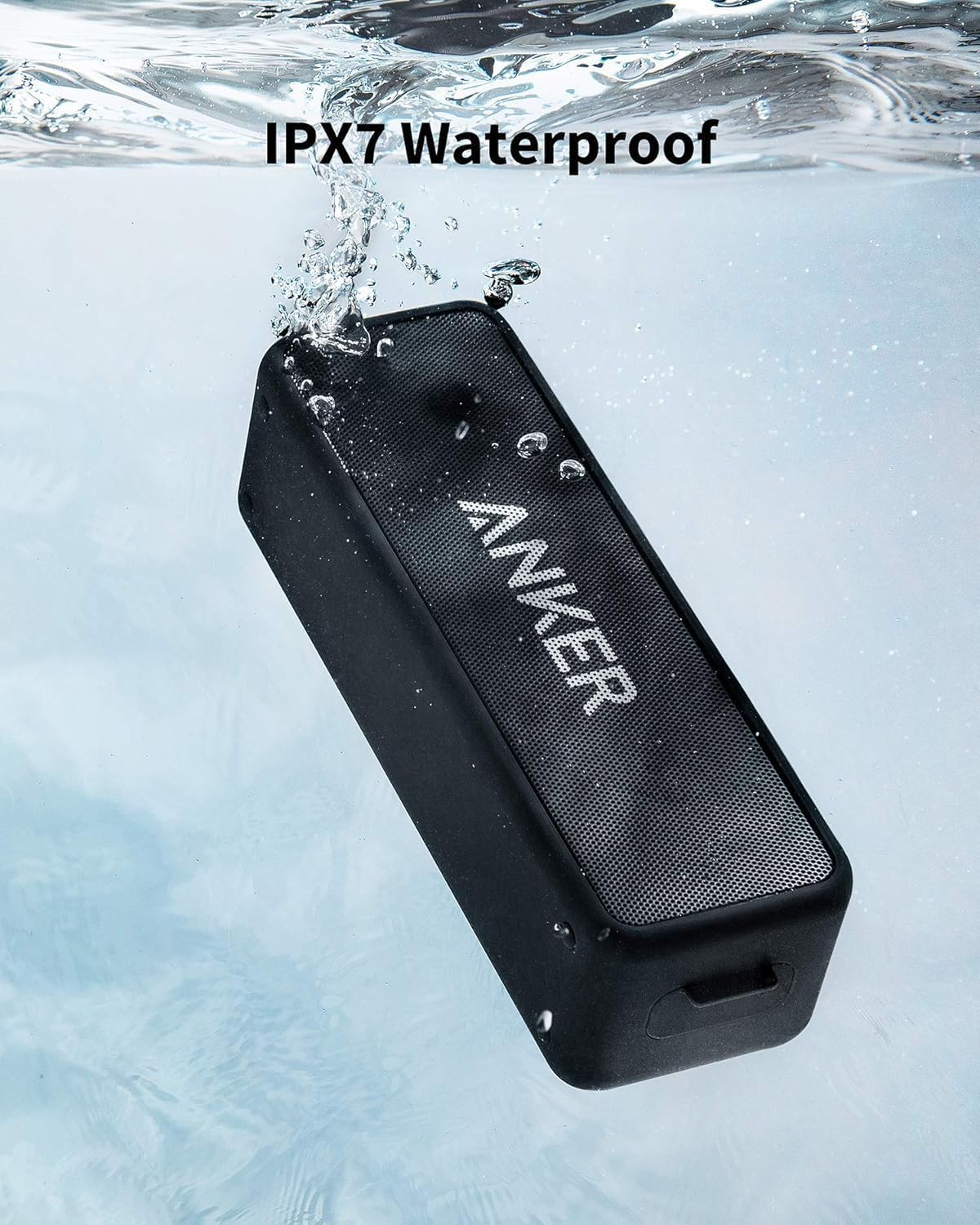
IP rating is the first number to check. IP (Ingress Protection) is an internationally standardized two-digit code: the first digit rates dust resistance (0–6), the second rates water resistance (0–9). IPX5 means it can handle a splashing water jet. IP67 means dust-tight and submersible to one meter for 30 minutes. Budget speakers often ship with no IP rating at all — or claim “water resistant” in marketing copy with no certification behind it. Mid-tier speakers ($100–$150) from JBL, Anker Soundcore, and UE almost universally hit IP67. That delta matters for a gift: an unrated speaker handed to someone who uses it at the pool or takes it hiking is effectively a one-season item.
Battery life is the second axis. Spec sheets at the $30 tier typically list 6–8 hours. Tom’s Guide’s “Best Portable Bluetooth Speakers” guide consistently flags that real-world battery life on budget units often falls 20–30% short of the rated figure at moderate-to-high volume. Mid-tier units in the $100–$150 range rate at 12–24 hours and tend to deliver closer to their claims, partly because they use larger cells and partly because manufacturers in this tier face more rigorous reviewer scrutiny. For a gift recipient who uses the speaker casually on weekends, 6 real-world hours might feel fine — until a long camping trip drains the battery mid-afternoon.
By the numbers:
| Tier | Typical IP | Rated Battery | Real-World Battery | Price Range |
|---|---|---|---|---|
| Budget Anker — $29.99 | None / IPX4 | 6–8 hrs | 4–6 hrs | $25–$55 |
| Mid-Tier JBL — $129.95 | IP67 | 12–20 hrs | 10–18 hrs | $90–$160 |
| Premium Edifier — $199.99 | IP67–IP68 | 24–36 hrs | 20–30 hrs | $200–$500 |
Source: aggregated from RTINGS.com portable speaker measurement database and Tom’s Guide “Best Portable Bluetooth Speakers.”
Sound Quality: Where the Gap Is Smaller Than You Expect, and Where It Isn’t
This is the counterintuitive part. Testing notes in Wirecutter’s “The Best Portable Bluetooth Speakers” and frequency-response data published in RTINGS.com’s portable speaker measurement database show that in the $30–$60 range, manufacturers have gotten remarkably good at punching above their weight on maximum loudness and low-midrange warmth. A $35 entry-level compact speaker will fill a small room and not embarrass itself.
Where budget speakers consistently fall short, per The Verge’s portable speaker buying guides and RTINGS.com’s measurement data, is in three specific areas:
Budget Tier: What You’re Actually Giving Up
- Stereo separation. Almost every speaker under $60 is a single-driver mono unit or uses two drivers so closely spaced that stereo content collapses to mono. You lose the width of a mix — instruments feel stacked in a narrow column.
- High-frequency detail. Budget drivers tend to roll off or become harsh in the upper midrange (2–6 kHz), where vocal clarity and instrument presence live. Voices can sound slightly “boxy” and acoustic instruments lose sparkle.
- Distortion at high volume. Budget units pushed past 80% volume often introduce audible harmonic distortion — a gritty, strained quality that mid-tier units avoid through better amplification and driver headroom.
These three limitations are documented consistently across RTINGS.com’s portable speaker measurement database, which publishes raw frequency-response and distortion curves for tested models, and are echoed in The Verge’s comparative speaker coverage.
Anker
$29.99
In stock on Amazon
Check price on AmazonMid-Tier: Where Durability Meets Listenable Sound
Mid-tier speakers ($100–$150) from JBL, Anker Soundcore, and Ultimate Ears clear the bar on all three dimensions above. Wider driver spacing improves stereo imaging. Better amplifier chips hold cleaner output at high volume. And the IP67 rating means the speaker survives the use cases where it’s actually being used — beach days, camping, poolside afternoons.
The practical frame: if the gift recipient is mostly using the speaker for background music while cooking or working, a $35 option does the job and the sound quality gap is academic. If they’re going to use it as the primary speaker for a party, a beach day with friends, or music they actually care about — the $100–$150 tier delivers a meaningfully cleaner, wider sound. Wirecutter’s “The Best Portable Bluetooth Speakers” guide consistently places the $100–$150 range as the sweet spot for most adults for exactly this reason.
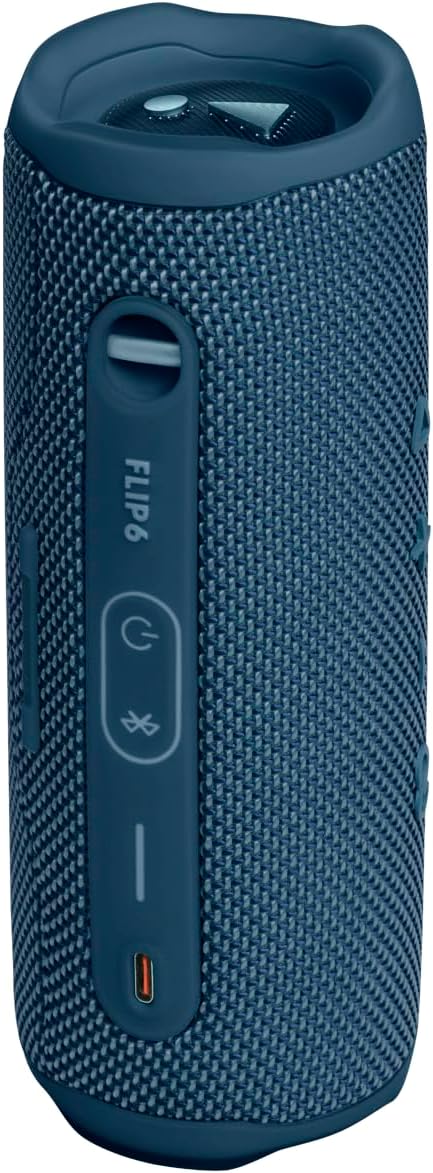
JBL
$129.95
In stock on Amazon
Check price on AmazonPremium Tier: For the Audio-Conscious Recipient
At $200 and above, you’re buying a different class of driver quality, cabinet design, and sustained output. Tom’s Guide’s “Best Portable Bluetooth Speakers” coverage notes that premium units hold clean, room-filling output at outdoor volumes where mid-tier units start to compress. The jump is audible and reviewer-confirmed — not just marketing. RTINGS.com’s portable speaker measurement database similarly shows that premium-tier drivers maintain lower distortion figures at peak output levels compared to mid-tier counterparts.
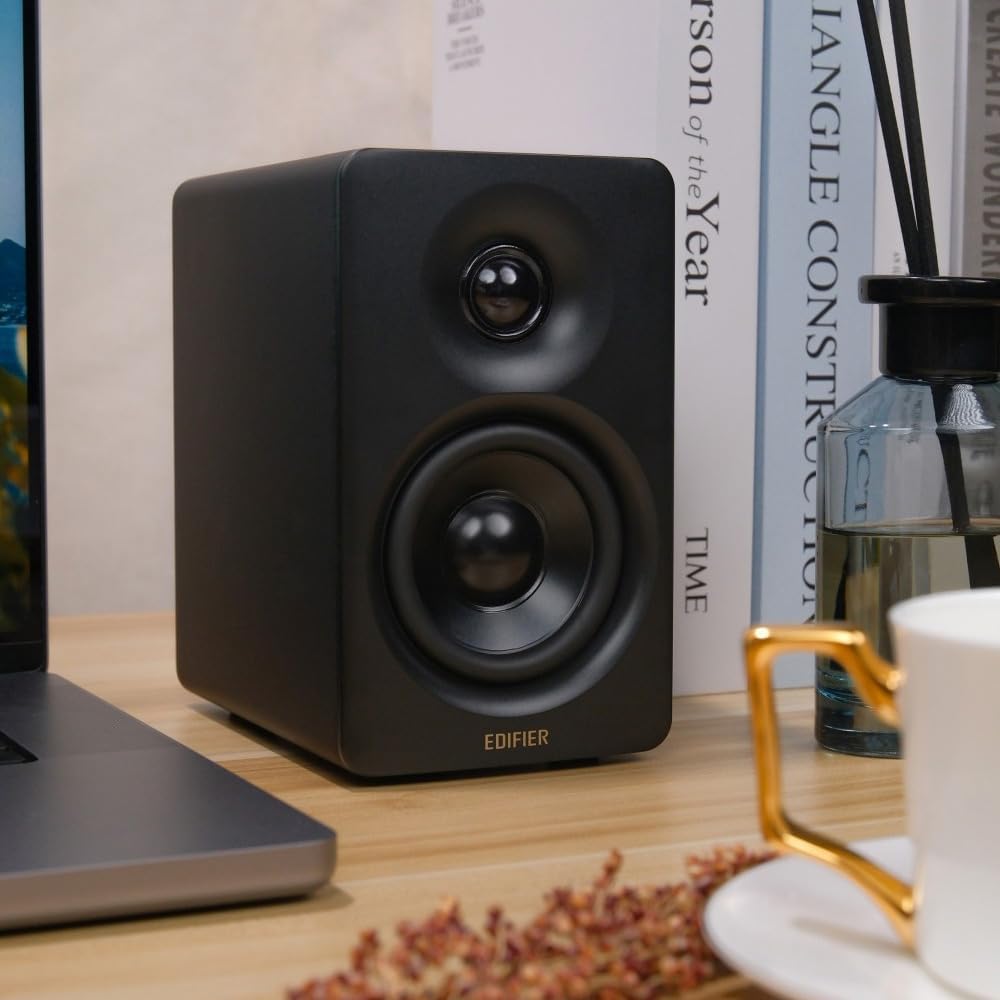
Edifier
$199.99
In stock on Amazon
Check price on AmazonThe Under-Asked Question: Ecosystem and Multiroom Fit
Wirecutter’s “The Best Portable Bluetooth Speakers” and The Verge’s smart home and speaker coverage both flag this consistently, and it’s the most overlooked question in the gift-giver’s checklist: does this speaker plug into anything else the person owns?
At the $30 tier, the answer is almost always no — it’s a standalone device, pairs to one phone at a time, and lives in isolation. That’s fine for a lot of use cases.
At the $100–$150 tier, you start getting features that change the long-term value equation:
- Party Mode / PartyUp (JBL): wirelessly chain multiple JBL speakers for synchronized playback. If the recipient already owns a JBL Charge 5 or Flip 6, adding a second mid-tier JBL creates an instant two-room or stereo setup.
- UE multi-speaker pairing: UE’s PartyUp equivalent works across their lineup, which Tom’s Guide reviewers note as one of the cleaner multi-speaker implementations at this price tier.
- Bluetooth 5.3 multipoint: mid-tier and above increasingly support connecting to two source devices simultaneously — phone and laptop stay paired, no re-pairing dance when you switch sources. Budget units rarely support multipoint.
For a gift buyer: if the recipient is an iPhone household that already owns AirPlay-capable speakers, a standalone Bluetooth unit (any tier) won’t integrate with that ecosystem — and a $150 Bluetooth speaker won’t replace a $100 HomePod mini for indoor use. The question to ask before buying is: where will this speaker actually live, and what devices is it competing with or complementing?
The $30 vs. $130 Decision Rule
Here’s the framework, stated plainly:
Buy the $30–$55 tier if:
- It’s a casual gift where the gesture matters more than the gear (kids’ gift, stocking stuffer, office grab bag)
- The recipient already owns a good speaker and this is a backup or travel unit
- You genuinely don’t know their use case and want low financial risk
- The recipient is rough on their stuff and you’d rather replace it cheaply in a year
Buy the $100–$150 tier if:
- The recipient will use it outdoors regularly (IP67 pays for itself in durability alone)
- They’re going to use it as their primary portable speaker for 2–3 years
- Sound quality for music they actually care about matters to them
- They own other speakers in the same ecosystem (JBL, UE) and would benefit from multi-speaker pairing
Buy the $200+ tier if:
- They’re an audio person — the kind who notices when a vocal sounds boxy
- It’s a milestone gift (graduation, birthday with a real budget)
- You’re looking at brands like Ultimate Ears, JBL, or Bose, where the jump in driver quality and battery capacity is reviewer-confirmed across Wirecutter’s “The Best Portable Bluetooth Speakers,” Tom’s Guide’s “Best Portable Bluetooth Speakers,” and RTINGS.com’s portable speaker measurement database
The $100–$150 tier is the sweet spot for most adults, per aggregated findings across Wirecutter’s “The Best Portable Bluetooth Speakers,” RTINGS.com’s portable speaker measurement database, and Tom’s Guide’s “Best Portable Bluetooth Speakers.” It’s where durability becomes dependable, battery life stops being a daily friction point, and sound quality clears the bar for intentional listening. The $30 tier isn’t bad — it’s just optimized for a different job.
What to Actually Buy Right Now (May 2026)
A few names that recur consistently across Wirecutter’s “The Best Portable Bluetooth Speakers” and Tom’s Guide’s “Best Portable Bluetooth Speakers” most recent updated picks:
Budget Pick: Best Under $60
The JBL Go 4 (around $40) is the most-cited budget recommendation for sheer portability and IPX5 protection at its price. It’s genuinely pocketable and resilient. Sound is limited by the single small driver, but it outperforms its price tier on consistency and reliability — and the IPX5 rating means it survives splashes at the sink or a sudden rain shower. Wirecutter’s “The Best Portable Bluetooth Speakers” has named compact JBL units as top budget picks in multiple update cycles for exactly these reasons.
Anker
$29.99
In stock on Amazon
Check price on AmazonMid-Tier Pick: Best $100–$150
The JBL Charge 6 sits around $130 and hits the durability, battery, and sound trifecta that defines this tier — IP67, 20-hour rated battery, and a sound signature that Tom’s Guide reviewers consistently describe as balanced without being bass-heavy. The built-in power bank feature (charge your phone via USB-A) is a practical detail that owners in long-run reviews mention as genuinely used, not a spec-sheet gimmick.
The Anker Soundcore Motion X600 (around $100 on sale) is the challenger pick for anyone who wants a wider stereo soundstage at this price. RTINGS.com’s portable speaker measurement database rates its stereo separation notably higher than most competitors near its price point, making it a standout for listeners who notice the difference between a collapsed mono image and a genuinely wide mix.
JBL
$129.95
In stock on Amazon
Check price on AmazonPremium Pick: Best $200 and Up
The UE Hyperboom (around $300) is the reviewers’ consensus pick for the “patio anchor” use case — enough volume for outdoor gatherings, excellent multi-speaker pairing via PartyUp, and battery life that holds up through extended sessions. It’s a genuine milestone gift in size, performance, and price. Tom’s Guide’s “Best Portable Bluetooth Speakers” guide and Wirecutter’s “The Best Portable Bluetooth Speakers” both name it among the top premium picks for outdoor use.
Edifier
$199.99
In stock on Amazon
Check price on AmazonOne last note on total cost: portable Bluetooth speakers don’t carry subscription fees, don’t require proprietary charging cables (USB-C is now standard across all tiers in 2025–2026 models), and most premium brands honor 1–2 year warranties. The total-cost-of-ownership math is simple — buy the right tier once instead of the wrong tier twice.