June 8, 2026 • Mara Voss • 9 min reading time • Prices verified June 12, 2026
Fitness Trackers and the Hidden Subscription Costs That Flip the Value Equation
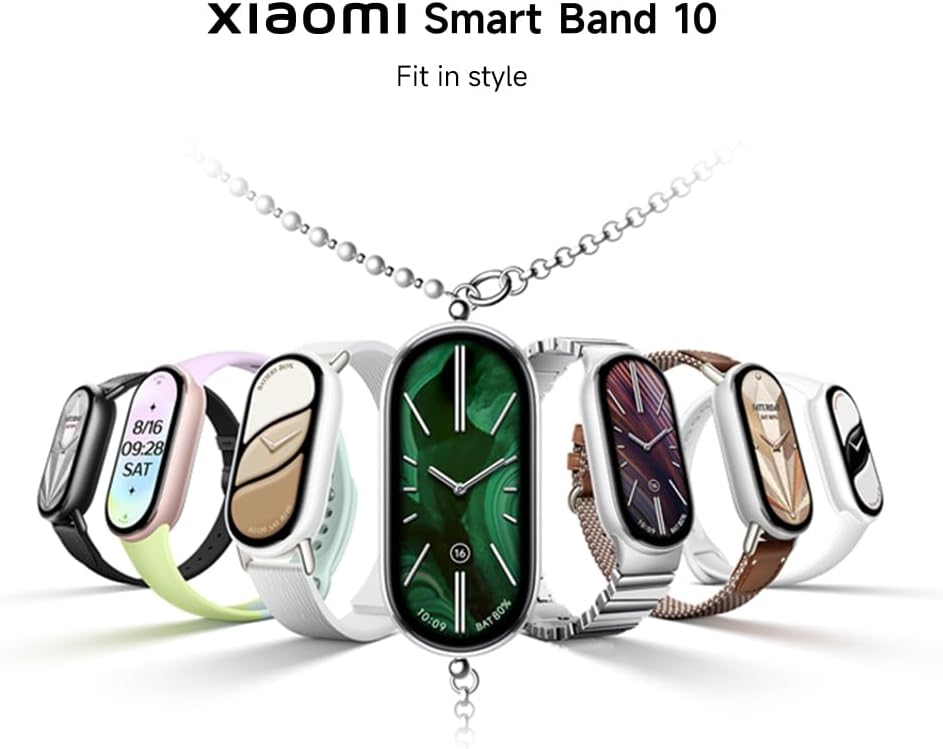
A fitness tracker is a wearable device — a watch, ring, or band — that monitors your body’s data around the clock: heart rate, sleep quality, steps, exercise intensity, and more. They range from a $35 clip-on step counter to a $650 titanium ring. Most people shop the sticker price and stop there. That’s the mistake. A growing number of trackers now require a monthly or annual subscription — a recurring fee you pay to actually see your own health data — and once you add those fees up over two or three years, the cheapest-looking device on the shelf can quietly become the most expensive thing in your gym bag. This guide runs the real math on the biggest platforms in 2026, names the tradeoffs explicitly, and gives you a clear decision rule for each buyer type.
The Subscription Landscape Has Quietly Restructured This Category
Until about 2021, the fitness tracker model was simple: buy the hardware, get the app for free, move on. Fitbit started changing that with its Fitbit Premium tier, and the rest of the industry read the memo. Today, the category has fractured into three distinct business models, and which one you’re buying into matters as much as the sensor specs.
Model 1: Hardware purchase only, full features included. Garmin is the clearest example. You pay for the device — anywhere from $250 for a Venu 3S to $999 for a Fenix 8 Sapphire — and the companion app, Garmin Connect, is free forever with no feature wall. Every sleep score, HRV (heart-rate variability — a measure of how well your nervous system is recovering between beats) reading, and training load metric is accessible without a credit card on file. CNET’s comparison of Fitbit versus Garmin flagged this as one of Garmin’s most durable competitive advantages, especially for buyers who plan to keep a device for three-plus years.
Model 2: Hardware purchase plus optional premium tier. Apple Watch and Fitbit (now part of Google’s hardware portfolio) sit here. The base app is functional without paying extra, but a subscription — Apple Fitness+ at $9.99/month or $79.99/year, Fitbit Premium at $9.99/month or $79.99/year — unlocks guided workouts, deeper trend analysis, and third-party content integrations. The key word is optional. Wirecutter’s fitness tracker guide notes that most casual users never miss what’s behind the paywall; it becomes relevant if you specifically want the coached content library.
Model 3: Subscription required to use the device meaningfully. This is where the math flips hardest. Whoop operates with zero upfront hardware cost — they ship you the band for free — but the membership costs $239/year (their lowest annual tier as of early 2026) and must be active for the tracker to sync and display data. Oura Ring Gen 4 has a hardware price ($299–$649 depending on finish) plus a mandatory $5.99/month membership to access anything beyond a raw step count. The Verge’s review of Whoop 4.0 put it plainly: the device is a portal into a subscription, not a standalone product.
Running the Three-Year Math
Three years is the right window because it’s roughly the useful life of most wearables before battery degradation or a hardware generation change nudges you toward upgrading. Here’s how the major platforms stack up over that horizon.
Three-Year Total Cost of Ownership (2026 pricing)
| Device | Hardware | Subscription (3 yr) | 3-Year Total |
|---|---|---|---|
| Garmin Fenix 8 (47mm) | $999 | $0 | $999 |
| Apple Watch Series 10 + Fitness+ | $399 | $240 | $639 |
| Oura Ring Gen 4 (silver) | $299 | $215 | $514 |
| Whoop 4.0 (lowest annual plan) | $0 | $717 | $717 |
| Fitbit Charge 6 + Premium | $160 | $240 | $400 |
A few things jump out. First, the Whoop — which markets itself as free — costs more than an Oura Ring over three years, and more than an Apple Watch + Fitness+ subscription, without ever making you feel like you bought a premium piece of hardware. Second, the Garmin Fenix 8 at nearly $1,000 up front actually becomes comparably valued against subscription-heavy alternatives if you hold it longer than two years, especially since Garmin Connect’s feature set keeps expanding with firmware updates at no cost. Wired’s 2025 fitness tracker roundup noted that Garmin owners in long-run reviews consistently report using their devices for four to six years — which makes the zero-subscription model even more favorable over a realistic ownership arc.
Third, and this is the underappreciated trap: if you cancel a Whoop or Oura membership and stop paying, you lose access to historical data stored in their cloud. Tom’s Guide’s Oura Ring Gen 4 review flagged data portability as an ongoing concern — your years of sleep and readiness data live on Oura’s servers, not on your device or your phone’s local storage, which means the subscription is also a ransom on your own health history.
Where the Subscriptions Actually Earn Their Keep (and Where They Don’t)
Not every subscription is a bad deal. The honest answer is that it depends on what you do with the platform.
Whoop makes the math work if — and only if — you’re a serious endurance athlete or someone whose coach or training program is built around Whoop’s strain and recovery metrics. The platform’s physiological framework (strain score, recovery percentage, HRV calibration) is genuinely differentiated from the step-count-forward model that Fitbit popularized. Coaches at the collegiate and professional level have standardized on Whoop’s data export format. If that ecosystem describes your situation, $239/year is a professional tool budget, not a consumer subscription. If it doesn’t, you’re paying for sophistication you’ll never use.
Oura Ring Gen 4’s $5.99/month is harder to justify given how thin the paywall feature set is in practice. The hardware itself — the form factor of a ring, the passive wear compliance it enables, the accuracy of its overnight HRV readings — is excellent. Tom’s Guide’s review rated Oura’s sleep tracking among the most accurate in the consumer category. But the subscription layer adds trend graphs and “readiness” narrative text that, in reviewers’ assessments, don’t consistently add actionable value beyond what a free tier could reasonably offer. If the ring appeals to you, price it at $514 for three years (silver finish, standard plan), not $299.
Apple Fitness+ skews toward motivated workout beginners rather than data-obsessed athletes. If you own an Apple Watch and you actually use the guided workout library — which reviewers broadly describe as high-production-quality and well-curated — the $79.99/year is defensible. If you already have a training regimen and you’re buying an Apple Watch for its ecosystem integration (Messages, Apple Pay, Find My), skip Fitness+ entirely. The base Apple Health app is free, surprisingly deep, and shares data with most third-party fitness apps without a subscription.
Garmin Connect’s free tier is, without exaggeration, the most feature-complete no-subscription experience in the category. Advanced sleep stages, HRV status, training readiness, race predictor, body battery — all free, on every Garmin device. The one paid Garmin product is Garmin Explore (for navigation), which is route-planning and trip-management software and not relevant to health tracking. For anyone who resents recurring charges philosophically, Garmin is the structural answer.
The Ecosystem Lock-In Variable Nobody Talks About Enough
There’s a secondary trap beyond the subscription math: platform lock-in operates differently here than it does with phones or smart home devices.
With a phone, switching ecosystems costs you app repurchases and some inconvenience. With a fitness tracker, switching costs include losing your historical baseline. Oura’s readiness algorithm, Whoop’s strain calibration, and Garmin’s body battery score all require months of personal data to become individually accurate. When reviewers at both The Verge and Tom’s Guide evaluated these platforms, they consistently noted that the first four to six weeks of data are essentially a warm-up period — the platform is learning your personal normal before its scores mean much.
That means the real cost of switching platforms mid-stream isn’t just money — it’s three to six months of degraded personalization while the new platform recalibrates to you. This dynamic rewards front-loading your platform research (which is why you’re reading this) rather than buying on impulse and reassessing after.
The practical implication: if you’re evaluating a tracker as a gift for someone who already has six months of Garmin data, do not switch them to Whoop as a “nice surprise.” You are erasing a year of calibrated insight. Gift the same platform, or give cash toward an upgrade within their ecosystem.
The Decision Rules
If you’ve made it this far, here’s the honest framework for the most common buyer profiles:
If you’re a serious athlete or coach-driven trainer with a program already built around performance recovery data: Whoop is worth the $239/year. Don’t look for a cheaper workaround — the platform’s data model is different enough from the alternatives that the subscription pays for differentiated insight, not just feature-locked basics.
If you want best-in-class sleep and readiness tracking in a low-profile form factor and you can price it honestly at $514 over three years: Oura Ring Gen 4 is a defensible choice. Know what you’re buying.
If you hate subscriptions on principle and plan to keep a device for three-plus years: Garmin is the structural answer regardless of price tier. A $350 Venu 3 with zero subscription beats a $160 Fitbit Charge 6 plus $240 in Premium fees over the same window — you come out ahead and get better hardware.
If you’re already in the Apple ecosystem and your primary motivation is workout motivation rather than serious physiological tracking: Apple Watch Series 10 with optional Fitness+ is the pragmatically correct choice. The ecosystem integration alone (Health app data sharing with your doctor, emergency SOS, Apple Pay at the gym) makes it the right anchor for iPhone users.
If you’re buying as a gift and you don’t know the recipient’s platform history: Buy Garmin. It’s the one platform where being wrong about their workout intensity level or subscription tolerance costs nothing. A Garmin device with a gift receipt and zero subscription commitment is a universally safe premium fitness gift in 2026.
Save your money on Whoop if the recipient is a casual exerciser who walks a few miles a day and does a weekend yoga class. They will cancel the subscription within six months, lose access to their data, and end up with a piece of hardware that is, without the app, an inert rubber band.
The sticker price is where the marketing lives. The subscription line is where the real deal is made.